The real-life decision
Start with the day, not the product page.
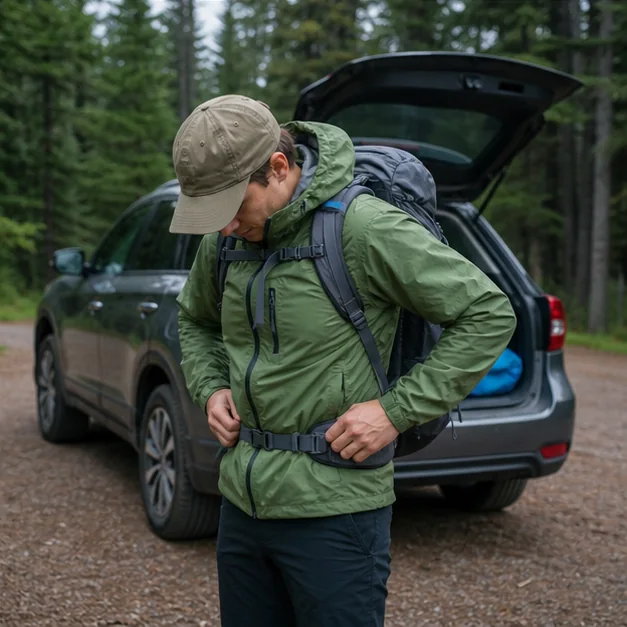
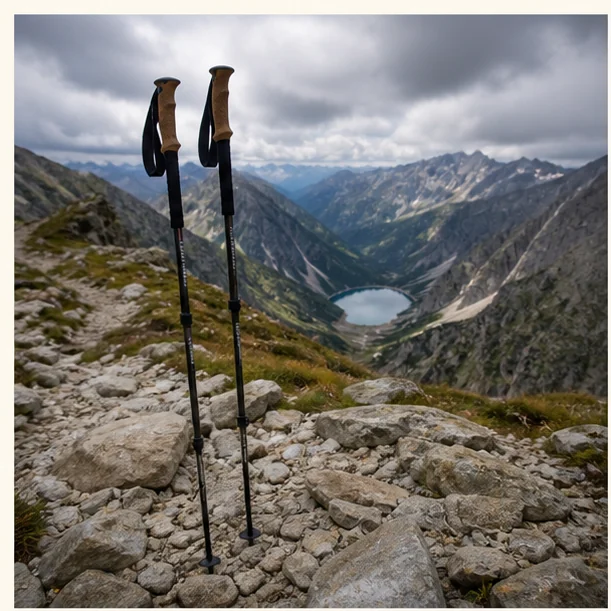
The climb feels fine, but loose gravel on the descent makes every step tentative. Properly adjusted poles add rhythm and extra contact points without forcing the shoulders upward.
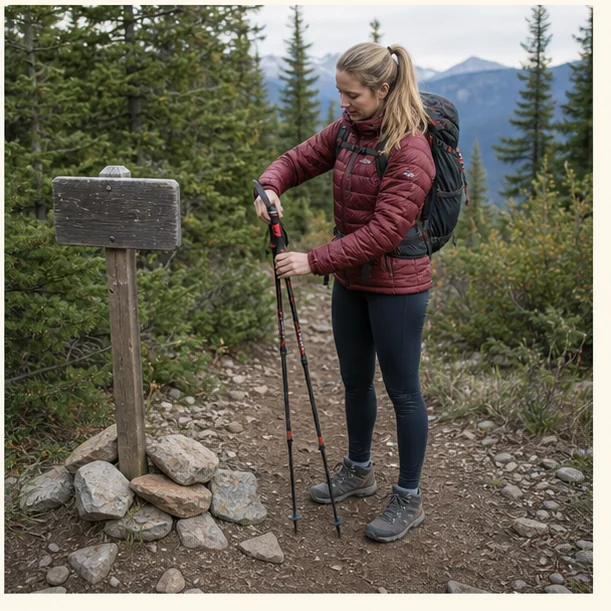
Choose a reliable locking system and grip shape, then practice adjustment and placement on easy terrain first. This is the filter we use throughout the guide: the product should reduce friction in the moment it is meant to serve, while creating as little new maintenance as possible.
Hikers seeking balance, rhythm, and support on varied day trails.
You need a mobility aid prescribed for a medical condition; seek professional guidance instead.
What to look for
The buying checklist.
Before comparing colors, launch stories, or a long feature list, make these three checks. They turn a broad category into a decision you can explain and repeat.
- 01
Locks that remain secure under normal use
Check this against your own routine, space, clothing, climate, or equipment. A feature is valuable only when it changes what you can do comfortably.
- 02
Adjustment range suitable for the user and terrain
Check this against your own routine, space, clothing, climate, or equipment. A feature is valuable only when it changes what you can do comfortably.
- 03
Tips and baskets appropriate to the surface
Check this against your own routine, space, clothing, climate, or equipment. A feature is valuable only when it changes what you can do comfortably.
Three useful ways to buy
Choose by scenario.
There is no honest single winner for every reader. These routes narrow the category around three different priorities and make the cost of each choice visible.
Best for frequent adjustment
External lever locks are easy to inspect.
The tradeoff: Levers can catch if positioned poorly.
Use the checklist ↗Best for travel
Multi-section or folding poles pack shorter.
The tradeoff: More joints can add complexity.
Use the checklist ↗Best for warm weather
Breathable grips and simple straps improve comfort.
The tradeoff: Soft grips can wear faster.
Use the checklist ↗What to avoid
Three shortcuts that create regret.
- Setting poles too long on climbs
- Relying on straps without learning safe use
- Failing to check locks before a descent
Avoiding the wrong purchase is part of a buying guide’s job. If a product cannot answer the checklist above, a discount does not make it a better fit.
Living with the choice
Care is part of the value.
Dry sections after wet trips, clean grit from joints, and replace worn tips before they lose purchase.
Keep the receipt and care information until the return period has passed. Reassess the product after the first ordinary week—not only the exciting first day—and notice whether it has found a stable place in your routine.
Questions readers ask
Quick answers before you buy.
How much should I spend on trekking poles for uneven trails and long descents?
Set a budget after identifying the must-have criterion that changes your experience. Pay for that feature and reliable construction; skip upgrades that do not serve your scenario.
Is the most feature-rich option usually better?
No. Extra modes, pockets, materials, or accessories can add weight, maintenance, and confusion. A smaller feature set that fits the routine is often the stronger buy.
How can I compare options without hands-on testing?
Use published dimensions, materials, care instructions, compatibility information, and return terms. Treat unverified reviews as one signal, not proof, and avoid claims that cannot be traced to a reliable source.