The real-life decision
Start with the day, not the product page.
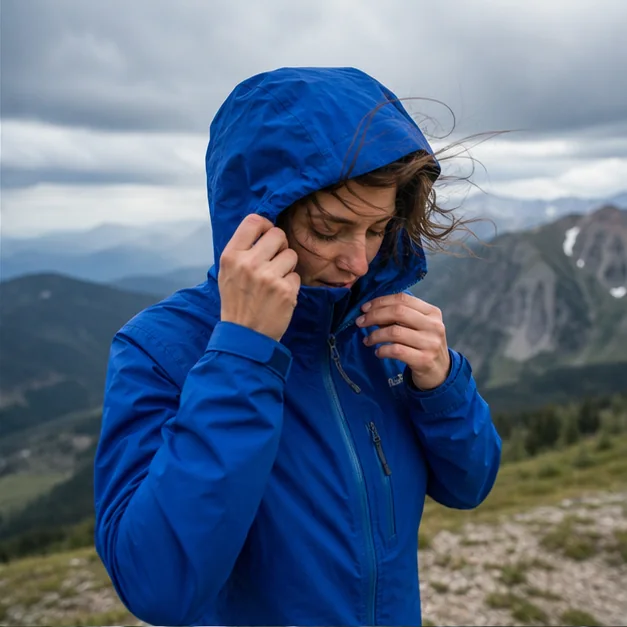
Cloud builds halfway to the viewpoint and the wind cools sweat quickly. A shell comes out of the pack for twenty minutes, then needs to vent on the descent without becoming a plastic sauna.
Buy a shell that layers over your usual insulation, offers practical ventilation, and is easy enough to carry every time. This is the filter we use throughout the guide: the product should reduce friction in the moment it is meant to serve, while creating as little new maintenance as possible.
Day hikers in mild to moderate changeable conditions.
You need specialist alpine, winter, or prolonged severe-weather protection.
What to look for
The buying checklist.
Before comparing colors, launch stories, or a long feature list, make these three checks. They turn a broad category into a decision you can explain and repeat.
- 01
Fit tested with the intended midlayer and pack
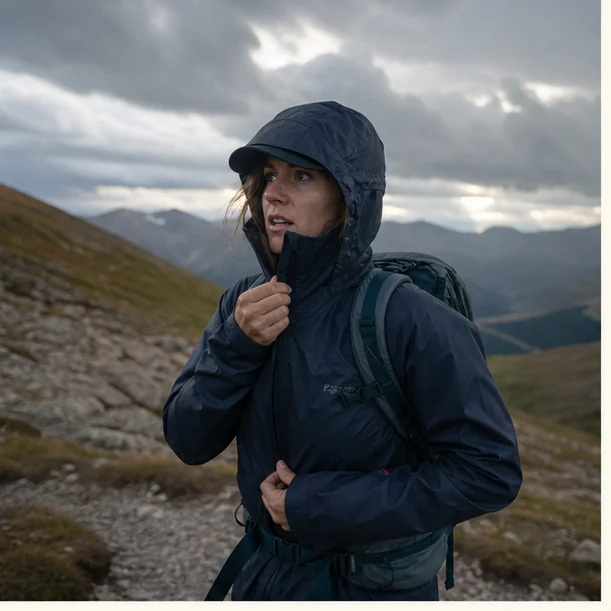
Put the shell on over the insulating layer you would actually carry. Reach forward, lift your arms, and turn your head with the hood up; the hem and cuffs should continue to cover you.
- 02
Hood adjustment that turns with the head
Try the hood adjustment and main zip with cold or damp hands. Check that the brim stays clear of your eyes and that pockets remain reachable under a pack hipbelt.
- 03
A care method you will follow to maintain performance
Consider the forecast and your pace together. Venting options and a comfortable inner surface matter on a warm climb; coverage and easy layering matter more on a cool exposed ridge.
A closer look
The fitting-room weather check
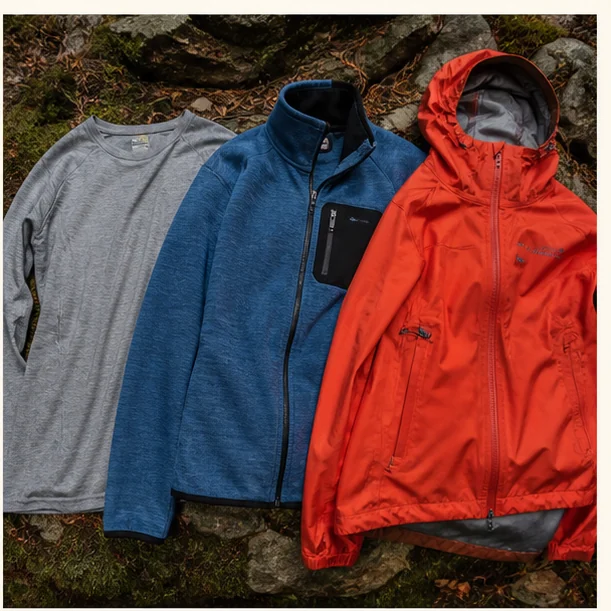
A rain shell is part of a system. The National Park Service includes rain gear and extra layers among the essentials for day hikes, so try the jacket with the rest of your kit.
Bring the fleece or light insulation you pack for a cool day. A shell that fits only over a T-shirt may become restrictive when the weather turns.
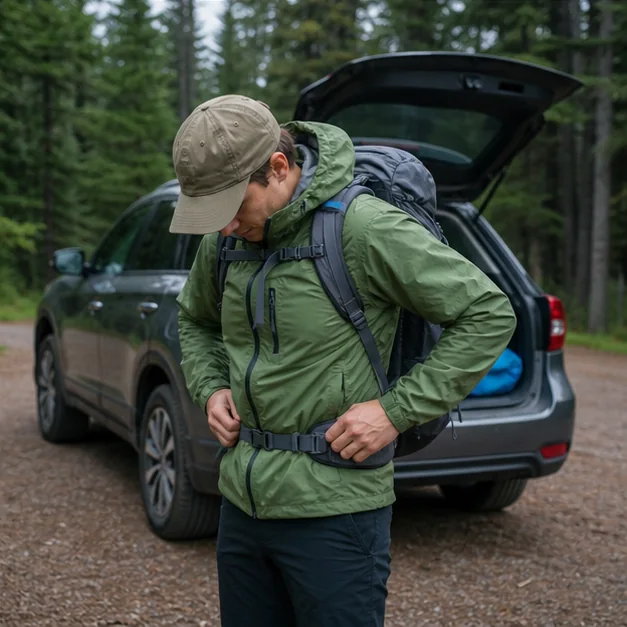
Fasten the pack, raise your arms, and reach both pockets. Check whether shoulder straps move the hood or pull the hem upward.
Read the garment care label. Water-repellent surface treatment can wear down; the membrane and the outer fabric do different jobs, and care instructions vary by material.
Three useful ways to buy
Choose by scenario.
There is no honest single winner for every reader. These routes narrow the category around three different priorities and make the cost of each choice visible.
Best for fast walkers
Prioritize ventilation and lower weight.
The tradeoff: Lighter fabrics can feel less durable.
Use the checklist ↗Best for cool exposed trails
A more protective fabric and hood improve comfort.
The tradeoff: Extra structure adds weight and bulk.
Use the checklist ↗Best for occasional use
A simple affordable shell can cover short showers.
The tradeoff: Fewer adjustments limit fine tuning.
Use the checklist ↗What to avoid
Three shortcuts that create regret.
- Buying too tight for insulation
- Calling any coated jacket storm-ready
- Never cleaning a shell because it seems protective
Avoiding the wrong purchase is part of a buying guide’s job. If a product cannot answer the checklist above, a discount does not make it a better fit.
Living with the choice
Care is part of the value.
Clean and refresh the garment according to its label, air it after use, and repair small punctures promptly.
Keep the receipt and care information until the return period has passed. Reassess the product after the first ordinary week—not only the exciting first day—and notice whether it has found a stable place in your routine.
Questions readers ask
Quick answers before you buy.
Is “water resistant” the same as a rain shell?
No. Look for a garment intended for sustained rain and check its construction, seam treatment, and manufacturer guidance rather than relying on a vague label.
Do I need the lightest shell?
Only if pack weight is your main constraint. A very light jacket can give up durability, pocket access, or a comfortable fit over layers.
What if water stops beading on the fabric?
Follow the garment maker’s care label first. GORE-TEX explains that durable water repellency on many shells needs maintenance; a wet-looking outer fabric does not by itself prove that the waterproof layer has failed.
Sources and further reading
These sources support specific guidance above. Product suitability remains an editorial judgment based on your own routine.