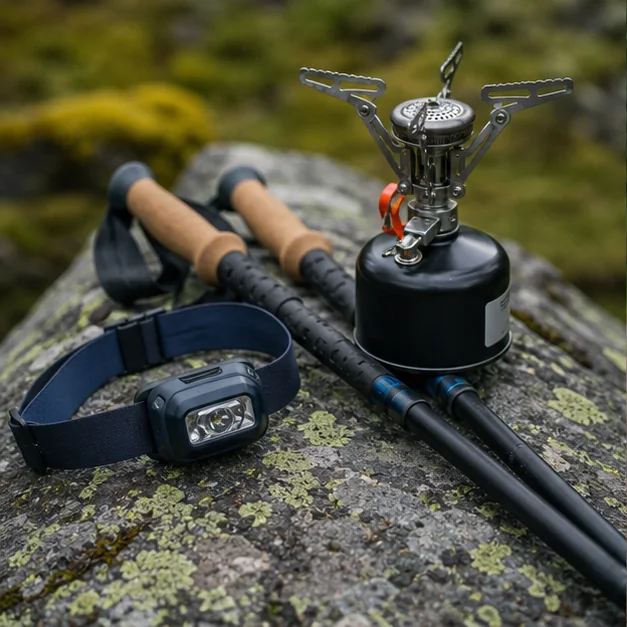
The real-life decision
Start with the day, not the product page.
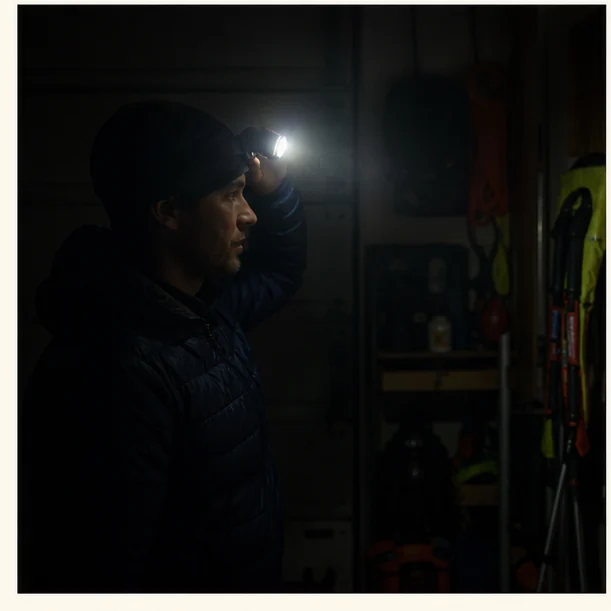
Dinner cleanup runs past sunset and both hands are carrying cookware. A headlamp should open on a sensible low setting, not blast the next campsite or require a button puzzle.
Prioritize comfortable low and medium modes, a broad task beam, and a power system you can manage away from home. This is the filter we use throughout the guide: the product should reduce friction in the moment it is meant to serve, while creating as little new maintenance as possible.
Campers, dog walkers, and hikers carrying a backup light.
You need specialist high-speed, caving, rescue, or industrial lighting.
What to look for
The buying checklist.
Before comparing colors, launch stories, or a long feature list, make these three checks. They turn a broad category into a decision you can explain and repeat.
- 01
Controls usable with cold or damp hands
Check this against your own routine, space, clothing, climate, or equipment. A feature is valuable only when it changes what you can do comfortably.
- 02
A low mode that preserves night vision
Check this against your own routine, space, clothing, climate, or equipment. A feature is valuable only when it changes what you can do comfortably.
- 03
A lockout or protected switch for the pack
Check this against your own routine, space, clothing, climate, or equipment. A feature is valuable only when it changes what you can do comfortably.
Three useful ways to buy
Choose by scenario.
There is no honest single winner for every reader. These routes narrow the category around three different priorities and make the cost of each choice visible.
Best for camp tasks
A broad flood beam reduces glare and harsh shadows.
The tradeoff: It reaches less far down a trail.
Use the checklist ↗Best for mixed trail use
A balanced flood and spot pattern adds flexibility.
The tradeoff: More modes can complicate controls.
Use the checklist ↗Best as an emergency backup
Simple operation and common batteries are reassuring.
The tradeoff: Disposable batteries create waste and require checking.
Use the checklist ↗What to avoid
Three shortcuts that create regret.
- Choosing only by peak lumen marketing
- Storing the light where it can switch on
- Pointing bright beams at people in camp
Avoiding the wrong purchase is part of a buying guide’s job. If a product cannot answer the checklist above, a discount does not make it a better fit.

Living with the choice
Care is part of the value.
Recharge after trips, carry the correct spare power, and inspect battery compartments for corrosion.
Keep the receipt and care information until the return period has passed. Reassess the product after the first ordinary week—not only the exciting first day—and notice whether it has found a stable place in your routine.
Questions readers ask
Quick answers before you buy.
How much should I spend on headlamps for camping and late walks?
Set a budget after identifying the must-have criterion that changes your experience. Pay for that feature and reliable construction; skip upgrades that do not serve your scenario.
Is the most feature-rich option usually better?
No. Extra modes, pockets, materials, or accessories can add weight, maintenance, and confusion. A smaller feature set that fits the routine is often the stronger buy.
How can I compare options without hands-on testing?
Use published dimensions, materials, care instructions, compatibility information, and return terms. Treat unverified reviews as one signal, not proof, and avoid claims that cannot be traced to a reliable source.