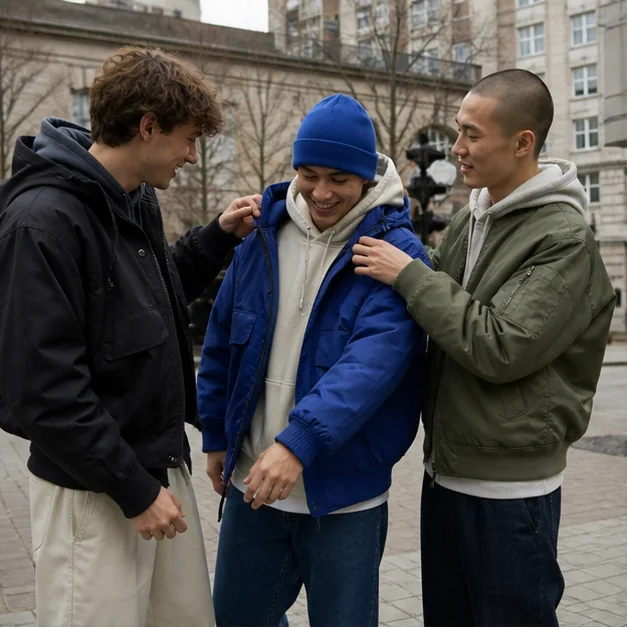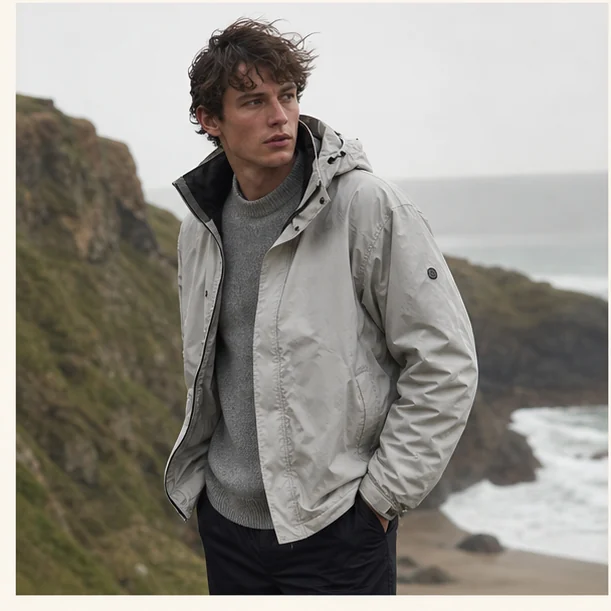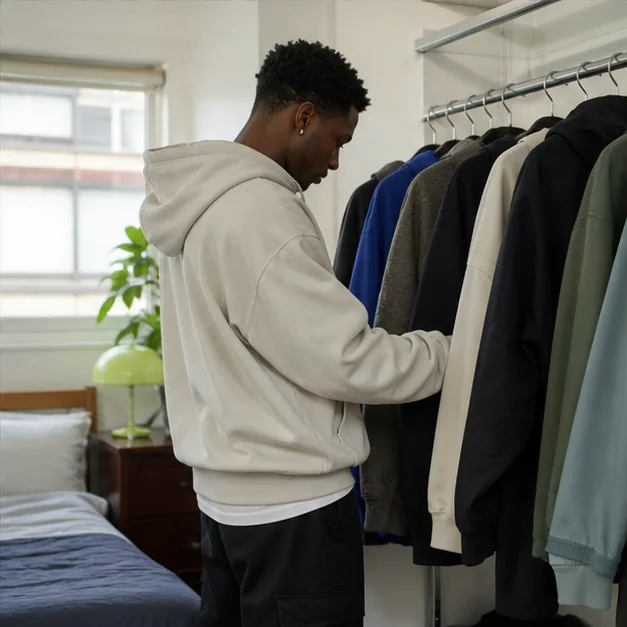
The real-life decision
Start with the day, not the product page.
You cycle ten minutes, sit through meetings, then walk across town for dinner. Trousers that look good only while standing in a fitting room miss most of the day.
Evaluate rise, thigh room, hem break, and pocket security while moving and sitting, not only in a mirror. This is the filter we use throughout the guide: the product should reduce friction in the moment it is meant to serve, while creating as little new maintenance as possible.
Commuters who want one pair to bridge casual offices and city evenings.
Your workplace requires formal tailoring or you prefer a close athletic fit.
What to look for
The buying checklist.
Before comparing colors, launch stories, or a long feature list, make these three checks. They turn a broad category into a decision you can explain and repeat.
- 01
A rise that stays comfortable while seated
Check this against your own routine, space, clothing, climate, or equipment. A feature is valuable only when it changes what you can do comfortably.
- 02
Pocket depth that secures a phone in transit
Check this against your own routine, space, clothing, climate, or equipment. A feature is valuable only when it changes what you can do comfortably.
- 03
Fabric with enough body to drape instead of cling
Check this against your own routine, space, clothing, climate, or equipment. A feature is valuable only when it changes what you can do comfortably.
Three useful ways to buy
Choose by scenario.
There is no honest single winner for every reader. These routes narrow the category around three different priorities and make the cost of each choice visible.
Best for walking commutes
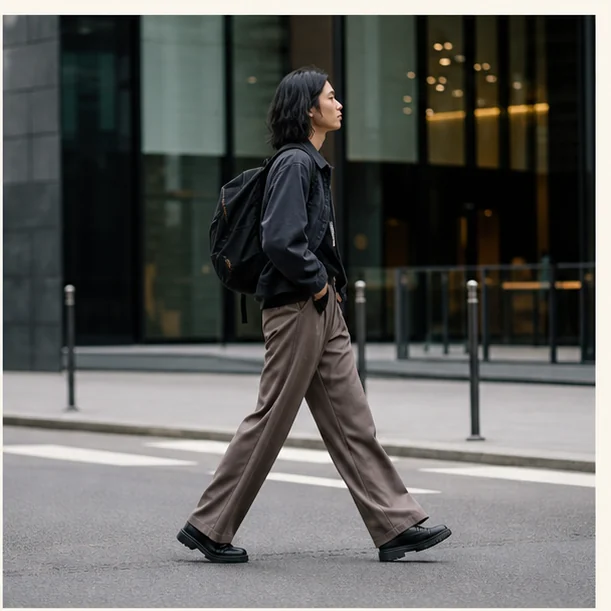
Choose a clean taper with room through the thigh.
The tradeoff: Very wide hems can catch weather and stairs.
Use the checklist ↗Best for bike segments
Look for manageable hems and durable seat fabric.
The tradeoff: Technical details may read more casual.
Use the checklist ↗Best for office crossover
A matte woven fabric and restrained hardware travel well.
The tradeoff: Dressier fabric may demand more careful washing.
Use the checklist ↗What to avoid
Three shortcuts that create regret.
- Choosing only by waist measurement
- Ignoring how a full pocket changes the line
- Hemming before testing the shoes worn most
Avoiding the wrong purchase is part of a buying guide’s job. If a product cannot answer the checklist above, a discount does not make it a better fit.
Living with the choice
Care is part of the value.
Hang after wear, brush surface dust, and follow the fabric care label instead of washing after every short use.
Keep the receipt and care information until the return period has passed. Reassess the product after the first ordinary week—not only the exciting first day—and notice whether it has found a stable place in your routine.
Questions readers ask
Quick answers before you buy.
How much should I spend on relaxed trousers for the daily commute?
Set a budget after identifying the must-have criterion that changes your experience. Pay for that feature and reliable construction; skip upgrades that do not serve your scenario.
Is the most feature-rich option usually better?
No. Extra modes, pockets, materials, or accessories can add weight, maintenance, and confusion. A smaller feature set that fits the routine is often the stronger buy.
How can I compare options without hands-on testing?
Use published dimensions, materials, care instructions, compatibility information, and return terms. Treat unverified reviews as one signal, not proof, and avoid claims that cannot be traced to a reliable source.