The real-life decision
Start with the day, not the product page.
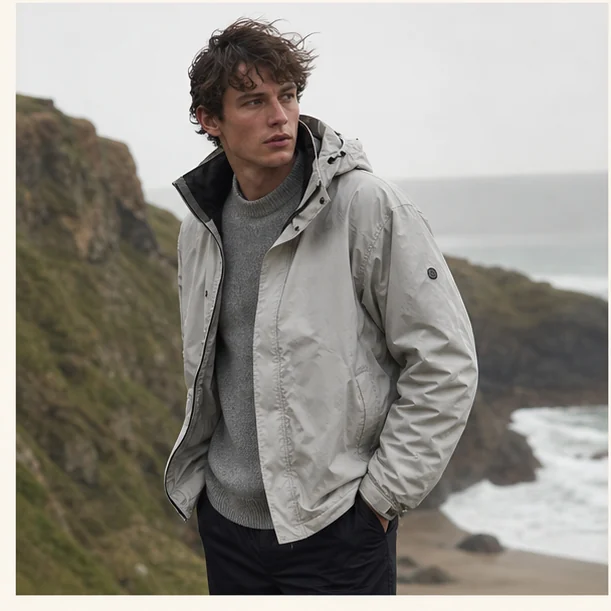
A crisp morning makes a substantial hoodie feel perfect; by the warm train ride home it is bulky and impossible to pack. Weight is a style choice and a practical commitment.
Choose fabric weight for the coldest common use, not the most dramatic product description, and leave room for the layer that goes underneath. This is the filter we use throughout the guide: the product should reduce friction in the moment it is meant to serve, while creating as little new maintenance as possible.
Cool-weather commuters and people who like a structured silhouette.
You run warm, travel light, or rely on quick air drying.
What to look for
The buying checklist.
Before comparing colors, launch stories, or a long feature list, make these three checks. They turn a broad category into a decision you can explain and repeat.
- 01
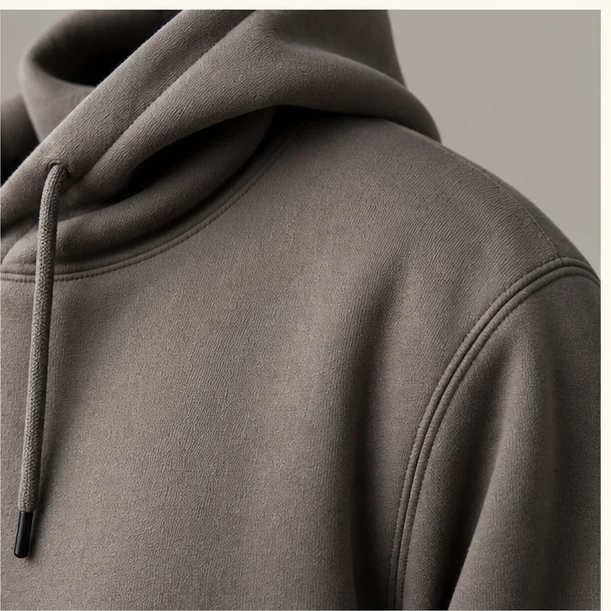
Shoulder and hood structure that hold their shape
Check this against your own routine, space, clothing, climate, or equipment. A feature is valuable only when it changes what you can do comfortably.
- 02
Cuffs and hem with useful recovery
Check this against your own routine, space, clothing, climate, or equipment. A feature is valuable only when it changes what you can do comfortably.
- 03
A fit tested over the intended base layer
Check this against your own routine, space, clothing, climate, or equipment. A feature is valuable only when it changes what you can do comfortably.

Three useful ways to buy
Choose by scenario.
There is no honest single winner for every reader. These routes narrow the category around three different priorities and make the cost of each choice visible.
Best for outer-layer wear
Choose a structured body and roomy hood.
The tradeoff: It occupies more bag space.
Use the checklist ↗Best for layering under jackets
Moderate bulk at cuffs and hood prevents bunching.
The tradeoff: The silhouette will be less dramatic.
Use the checklist ↗Best for indoor comfort
A softer brushed interior feels inviting.
The tradeoff: Heavy brushed fabric can overheat.
Use the checklist ↗What to avoid
Three shortcuts that create regret.
- Assuming heavier always means more durable
- Sizing up without checking sleeve and hem proportion
- Ignoring wash and drying requirements
Avoiding the wrong purchase is part of a buying guide’s job. If a product cannot answer the checklist above, a discount does not make it a better fit.
Living with the choice
Care is part of the value.
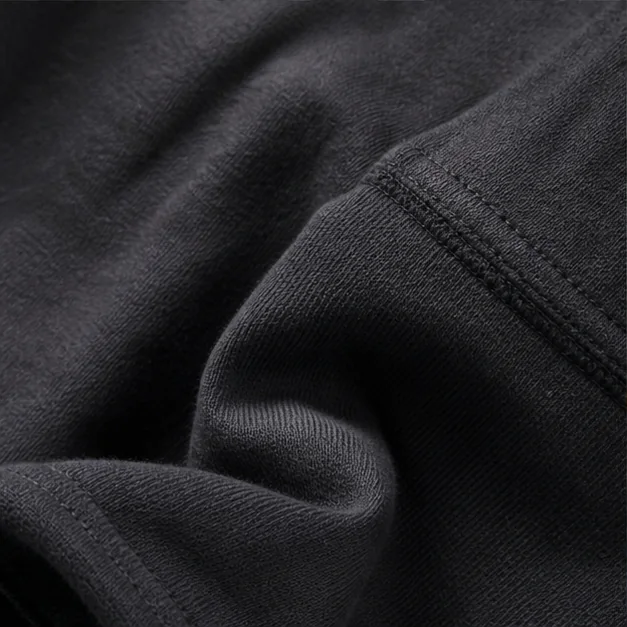
Wash cool according to the care label, avoid overheating elastic ribbing, and dry with enough space to preserve the shape.
Keep the receipt and care information until the return period has passed. Reassess the product after the first ordinary week—not only the exciting first day—and notice whether it has found a stable place in your routine.
Questions readers ask
Quick answers before you buy.
How much should I spend on when a heavyweight hoodie is worth the weight?
Set a budget after identifying the must-have criterion that changes your experience. Pay for that feature and reliable construction; skip upgrades that do not serve your scenario.
Is the most feature-rich option usually better?
No. Extra modes, pockets, materials, or accessories can add weight, maintenance, and confusion. A smaller feature set that fits the routine is often the stronger buy.
How can I compare options without hands-on testing?
Use published dimensions, materials, care instructions, compatibility information, and return terms. Treat unverified reviews as one signal, not proof, and avoid claims that cannot be traced to a reliable source.