The real-life decision
Start with the day, not the product page.
The ceiling light is too harsh, but three tiny lamps create cords, switches, and uneven pools of brightness. A calm bedroom needs a simple path from useful light to low light.
Use one ambient source and focused bedside light, with controls reachable from the places where each is used. This is the filter we use throughout the guide: the product should reduce friction in the moment it is meant to serve, while creating as little new maintenance as possible.
Readers, renters, and couples with different evening routines.
You need specialized color-critical task lighting in the bedroom.
What to look for
The buying checklist.
Before comparing colors, launch stories, or a long feature list, make these three checks. They turn a broad category into a decision you can explain and repeat.
- 01
Warm, comfortable light at the brightness you use
Check this against your own routine, space, clothing, climate, or equipment. A feature is valuable only when it changes what you can do comfortably.
- 02
Shielded bulbs that do not glare from bed
Check this against your own routine, space, clothing, climate, or equipment. A feature is valuable only when it changes what you can do comfortably.
- 03
Controls reachable without crossing the room
Check this against your own routine, space, clothing, climate, or equipment. A feature is valuable only when it changes what you can do comfortably.
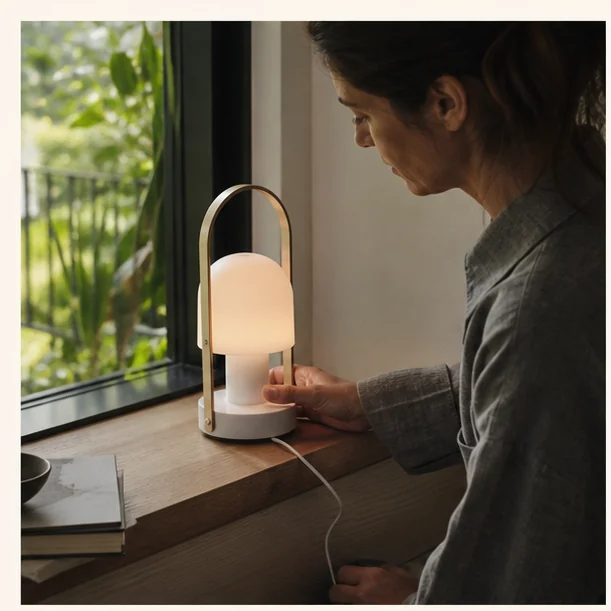
Three useful ways to buy
Choose by scenario.
There is no honest single winner for every reader. These routes narrow the category around three different priorities and make the cost of each choice visible.
Best for shared beds
Independent directional lights reduce spill.
The tradeoff: Tight beams can feel less atmospheric.
Use the checklist ↗Best for small rooms
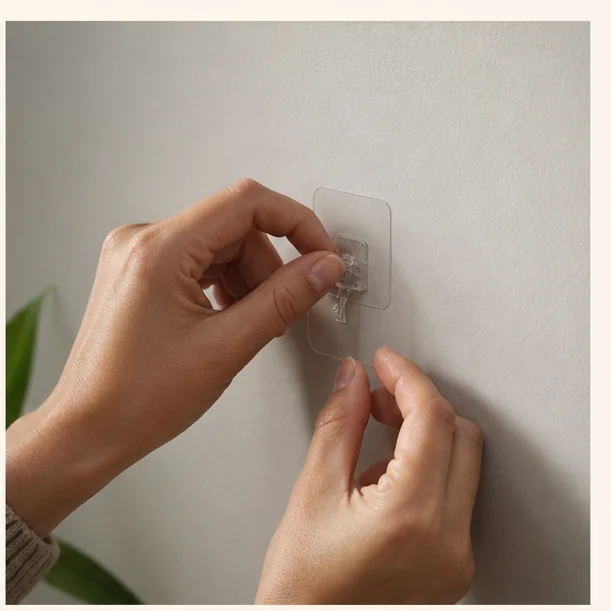
A wall-mounted or clamp light frees the nightstand.
The tradeoff: Mounting and cable routing need care.
Use the checklist ↗Best for flexible mood
A dimmable ambient lamp covers the transition to sleep.
The tradeoff: Some dimmers perform poorly at the lowest level.
Use the checklist ↗What to avoid
Three shortcuts that create regret.
- Buying by decorative bulb appearance alone
- Leaving bright status LEDs visible
- Using one high-output source for every task
Avoiding the wrong purchase is part of a buying guide’s job. If a product cannot answer the checklist above, a discount does not make it a better fit.
Living with the choice
Care is part of the value.
Dust shades and bulbs when cool, route cables away from walking paths, and set a consistent low-light scene that requires only one action.
Keep the receipt and care information until the return period has passed. Reassess the product after the first ordinary week—not only the exciting first day—and notice whether it has found a stable place in your routine.
Questions readers ask
Quick answers before you buy.
How much should I spend on warm bedroom lighting without a forest of lamps?
Set a budget after identifying the must-have criterion that changes your experience. Pay for that feature and reliable construction; skip upgrades that do not serve your scenario.
Is the most feature-rich option usually better?
No. Extra modes, pockets, materials, or accessories can add weight, maintenance, and confusion. A smaller feature set that fits the routine is often the stronger buy.
How can I compare options without hands-on testing?
Use published dimensions, materials, care instructions, compatibility information, and return terms. Treat unverified reviews as one signal, not proof, and avoid claims that cannot be traced to a reliable source.