The real-life decision
Start with the day, not the product page.
The first figure looks great on a bookshelf, then three impulse purchases arrive and none relate to one another. Collecting becomes satisfying when each object answers the same visual question.
Pick one anchor—artist, material, color story, scale, or mood—and let that rule narrow purchases for the first shelf. This is the filter we use throughout the guide: the product should reduce friction in the moment it is meant to serve, while creating as little new maintenance as possible.
New adult collectors who want an intentional display rather than a pile of boxes.
You mainly enjoy the surprise of opening products and do not care about display cohesion.
What to look for
The buying checklist.
Before comparing colors, launch stories, or a long feature list, make these three checks. They turn a broad category into a decision you can explain and repeat.
- 01
A total monthly or quarterly collecting budget
Check this against your own routine, space, clothing, climate, or equipment. A feature is valuable only when it changes what you can do comfortably.
- 02
A defined display area measured before purchase
Check this against your own routine, space, clothing, climate, or equipment. A feature is valuable only when it changes what you can do comfortably.
- 03
A simple record of edition, condition, and source
Check this against your own routine, space, clothing, climate, or equipment. A feature is valuable only when it changes what you can do comfortably.

Three useful ways to buy
Choose by scenario.
There is no honest single winner for every reader. These routes narrow the category around three different priorities and make the cost of each choice visible.
Best for visual cohesion
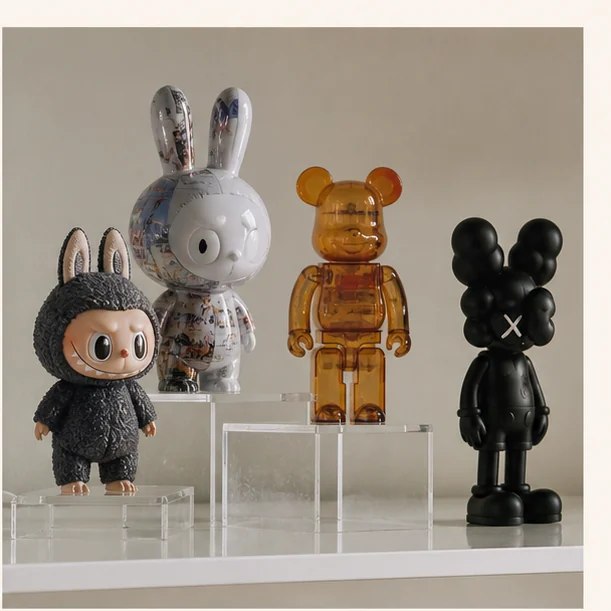
Collect within one color family across different shapes.
The tradeoff: You may pass on exciting releases outside the palette.
Use the checklist ↗Best for learning artists
Choose one small work from several creators before going deep.
The tradeoff: The shelf can look less unified at first.
Use the checklist ↗Best for limited space
Set a fixed scale and one-in, one-out rule.
The tradeoff: Large statement pieces will rarely fit.
Use the checklist ↗What to avoid
Three shortcuts that create regret.
- Treating scarcity as proof of quality
- Buying before measuring the display depth
- Keeping packaging you neither value nor can store well
Avoiding the wrong purchase is part of a buying guide’s job. If a product cannot answer the checklist above, a discount does not make it a better fit.

Living with the choice
Care is part of the value.
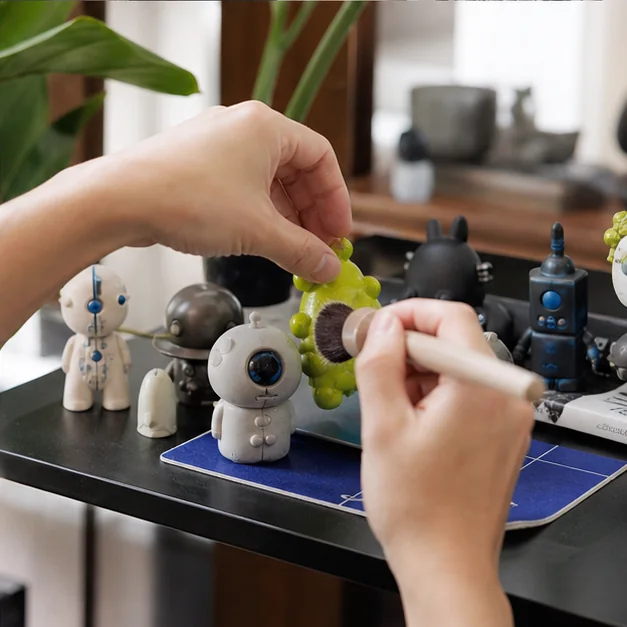
Dust with a soft brush, keep pieces out of strong sun, and record purchases while receipts and artist information are still easy to find.
Keep the receipt and care information until the return period has passed. Reassess the product after the first ordinary week—not only the exciting first day—and notice whether it has found a stable place in your routine.
Questions readers ask
Quick answers before you buy.
How much should I spend on how to start a designer toy collection without buying randomly?
Set a budget after identifying the must-have criterion that changes your experience. Pay for that feature and reliable construction; skip upgrades that do not serve your scenario.
Is the most feature-rich option usually better?
No. Extra modes, pockets, materials, or accessories can add weight, maintenance, and confusion. A smaller feature set that fits the routine is often the stronger buy.
How can I compare options without hands-on testing?
Use published dimensions, materials, care instructions, compatibility information, and return terms. Treat unverified reviews as one signal, not proof, and avoid claims that cannot be traced to a reliable source.