The real-life decision
Start with the day, not the product page.
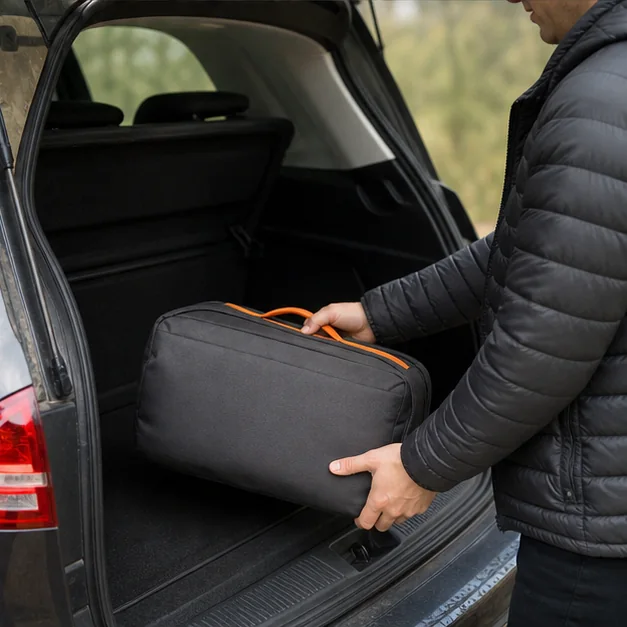
A flat tire on a cold evening becomes a long wait when reception is weak. The useful kit makes the vehicle visible, keeps passengers comfortable, and supports safe communication.
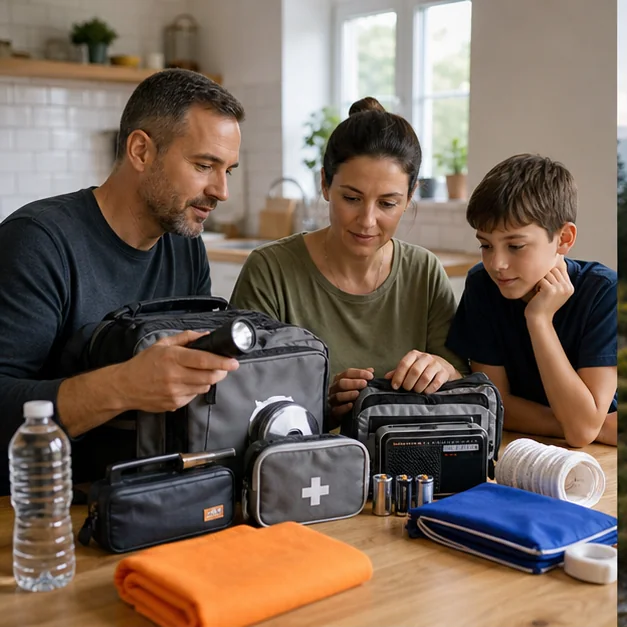
Start with the car manual and local climate, then add visibility, warmth, water, charging, and tools you know how to use. This is the filter we use throughout the guide: the product should reduce friction in the moment it is meant to serve, while creating as little new maintenance as possible.
Daily drivers, commuters, and families taking regional road trips.
Your route or climate demands specialized recovery equipment and training.
What to look for
The buying checklist.
Before comparing colors, launch stories, or a long feature list, make these three checks. They turn a broad category into a decision you can explain and repeat.
- 01
High-visibility warning equipment legal for the region
Check this against your own routine, space, clothing, climate, or equipment. A feature is valuable only when it changes what you can do comfortably.
- 02
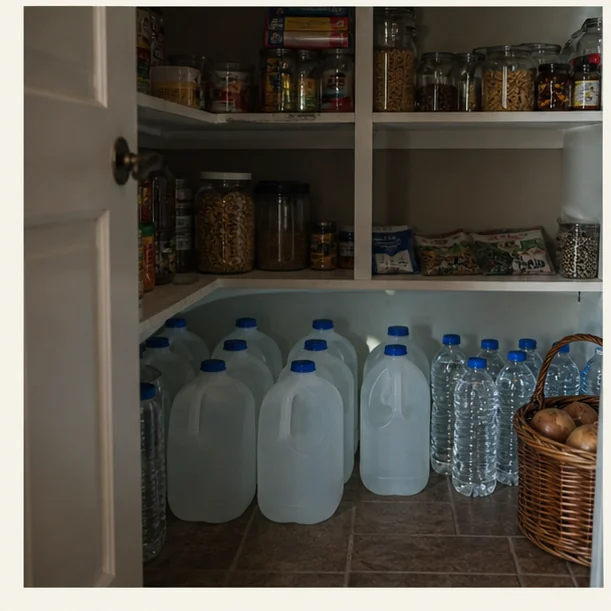
Seasonal warmth and water
Check this against your own routine, space, clothing, climate, or equipment. A feature is valuable only when it changes what you can do comfortably.
- 03
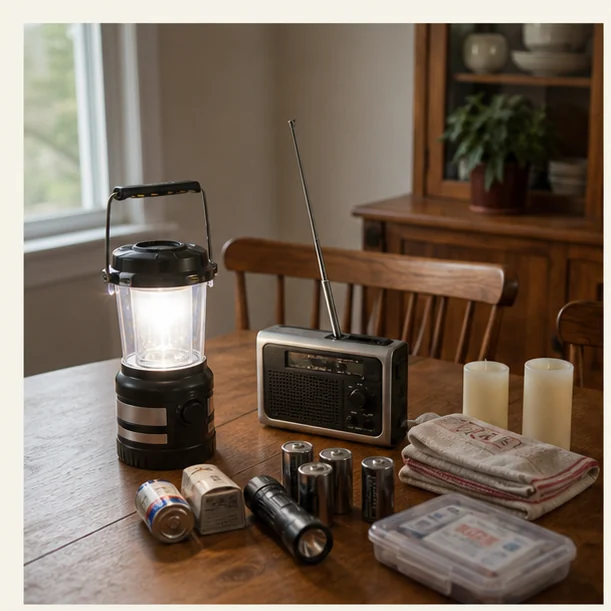
A charged communication backup and written roadside details
Check this against your own routine, space, clothing, climate, or equipment. A feature is valuable only when it changes what you can do comfortably.
Three useful ways to buy
Choose by scenario.
There is no honest single winner for every reader. These routes narrow the category around three different priorities and make the cost of each choice visible.
Best for city commuters
Focus on visibility, charging, and comfortable waiting.
The tradeoff: It will not solve mechanical failures.
Use the checklist ↗Best for winter regions
Add insulation and traction items recommended locally.
The tradeoff: Seasonal equipment requires more trunk space.
Use the checklist ↗Best for family trips
Include needs for each passenger and simple comfort items.
The tradeoff: More people increase water and storage requirements.
Use the checklist ↗What to avoid
Three shortcuts that create regret.
- Storing loose heavy tools where they become projectiles
- Packing equipment nobody can operate
- Leaving batteries in extreme heat for years
Avoiding the wrong purchase is part of a buying guide’s job. If a product cannot answer the checklist above, a discount does not make it a better fit.
Living with the choice
Care is part of the value.
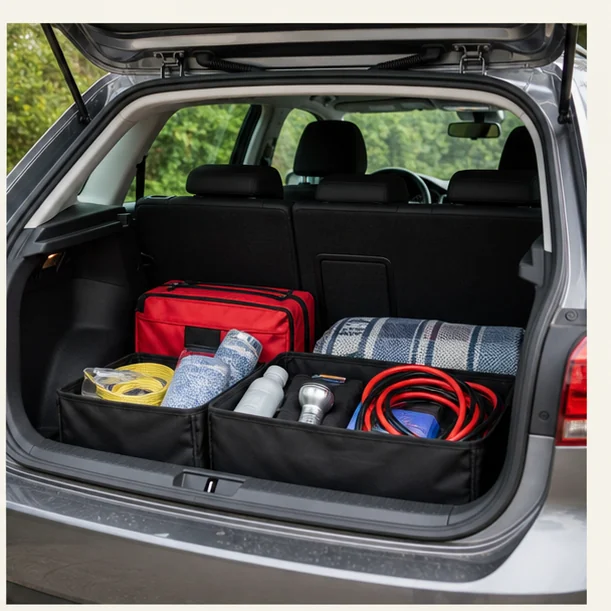
Secure the kit, inspect it seasonally, replace expired items, and rehearse where the hazard controls and spare equipment are located.
Keep the receipt and care information until the return period has passed. Reassess the product after the first ordinary week—not only the exciting first day—and notice whether it has found a stable place in your routine.
Questions readers ask
Quick answers before you buy.
How much should I spend on car emergency kits for ordinary drivers?
Set a budget after identifying the must-have criterion that changes your experience. Pay for that feature and reliable construction; skip upgrades that do not serve your scenario.
Is the most feature-rich option usually better?
No. Extra modes, pockets, materials, or accessories can add weight, maintenance, and confusion. A smaller feature set that fits the routine is often the stronger buy.
How can I compare options without hands-on testing?
Use published dimensions, materials, care instructions, compatibility information, and return terms. Treat unverified reviews as one signal, not proof, and avoid claims that cannot be traced to a reliable source.